

Current Mentees
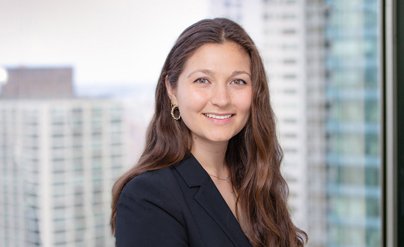
Isabelle Canaan (she/her)
Isabelle Canaan is an attorney who received her J.D. from Columbia University in 2021. Isabelle also received an MPhil from the University of Oxford in 2018, where she wrote her thesis on ACT for America, the largest anti-Muslim grassroots group in the United States. Isabelle received a B.A. in Political Science with honors from the University of Chicago in 2016. Her research centers on the intersection of law, religion, social movements, and civil rights.
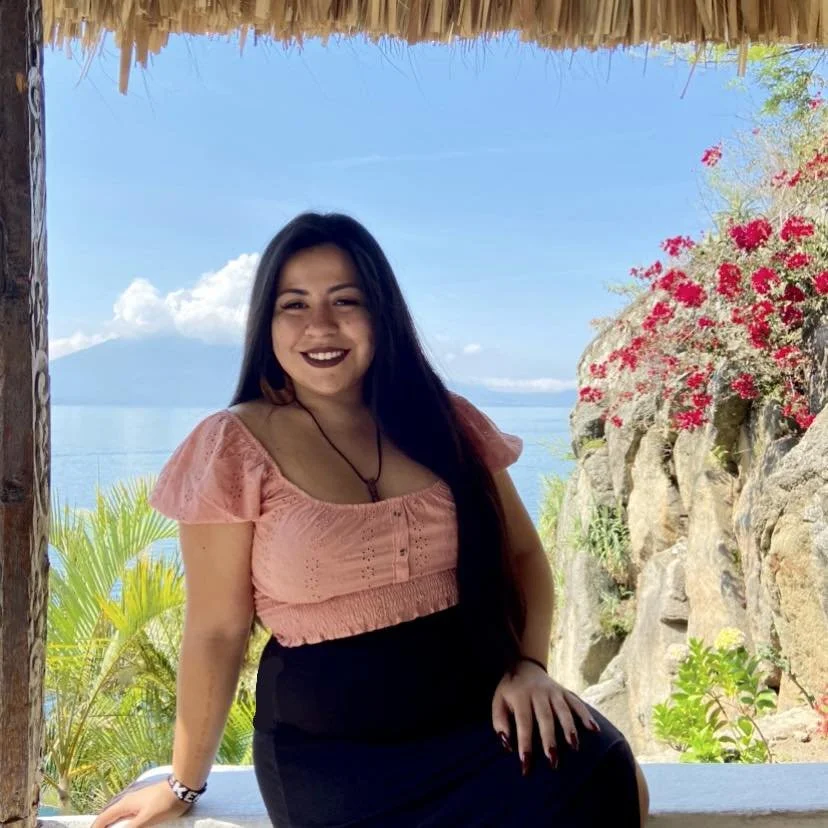
Melissa Cárcamo (she/her/ella)
Melissa Cárcamo is a first-gen Nicaraguan graduate student at Florida Atlantic University (FAU) in the Women Gender and Sexuality Studies. Within her program, she works as a graduate assistant at the Owls Care Health Promotion office as their Masculinity and Interpersonal Violence Expert. In her role she regularly does presentations on Sex Ed, Violence Prevention, and Multicultural Masculinities Studies. Outside of being funded by her program, Melissa is funded as a Study of Americas Fellow researching machismo and Latin American masculinities.
Prior to starting FAU, Melissa was born and lived in Miami until moving to Tallahassee to attend Florida State University (FSU). At FSU, she received a Bachelors in Women Studies with a minor in Hispanic Marketing and Communications and was invited to speak at Ted Talk “Redefining Masculinity: Men, Masculinity, and Machismo.” Now outside of FAU, Melissa interns at Aids for Domestic Abuse (AVDA) and has kicked off becoming a Latina Feminist content creator on Instagram: @Feminist.Insights. Check her out!

Sophy Daneault (she/her)
Sophy Daneault is a doctoral student in Communication and Media at Loughborough University. She holds a MA from King’s College London’s War Studies department, and a MSc from University College London in Countering Organised Crime and Terrorism. Her research focusses on news media portrayals of terrorism, particularly white/male supremacist inspired terrorism. She is interested in the news media’s reproduction of white and male supremacist social structures, and how this impacts portrayals of the far-right.

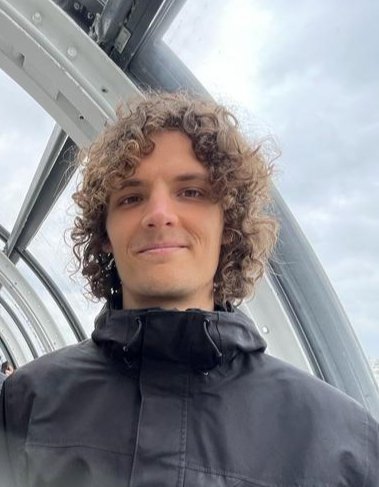
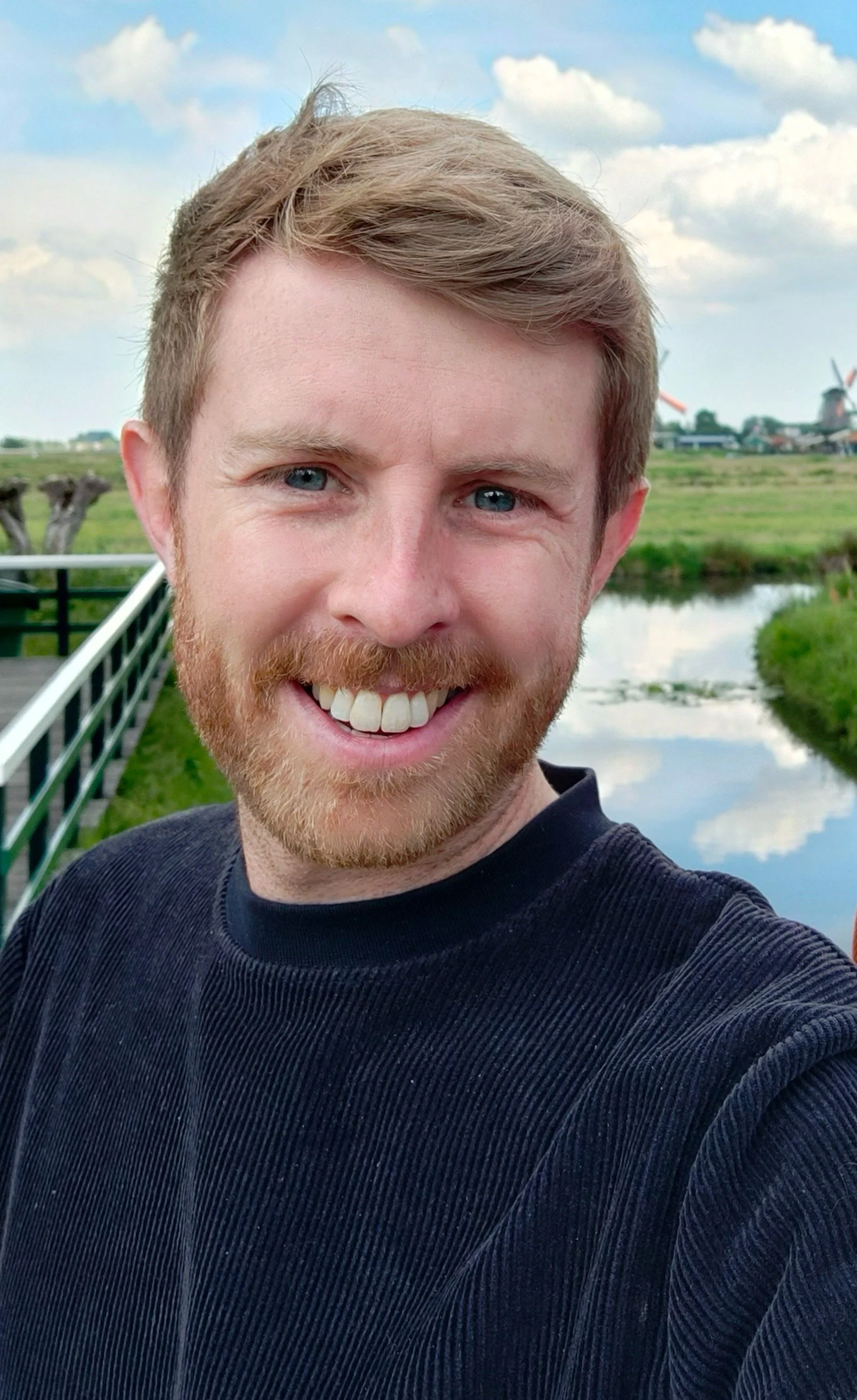
Kasandra Dodd
Kasandra Dodd, MSW, LICSW, LCSW, CPM, is a fourth-year doctoral candidate, teaching and research assistant in the School of Social Work at the University of Georgia. Ms. Dodd is a licensed clinical social worker with sixteen years of child welfare experience where she acquired a wealth of knowledge within various roles in the child welfare field. Ms. Dodd’s research interest involves child welfare reform related to human trafficking concerns within the foster care system, minority & gender issues, feminist theoretical frameworks, and qualitative research methods.
Ian Puis Farrés
Ian holds a Master's Degree in Gender Studies from Université Paris 8 Vincennes-Saint-Denis. He develops his work at the intersection of critical masculinities studies, cultural studies, and feminist materialist thinking. Having recently analysed the affects/effects of anti-gender discourses on the feminist consciousness-raising processes of white heterosexual men, at the IRMS he will focus on subtler and more normalized forms of rejections of "gender" and beliefs in cisgender men's superiority and right to dominate others. Via a digital ethnography of incel forums and personal coaching YouTube channels, Ian will study the circulation of affects such as care and sympathy - that is, white male supremacist discourses and practices of care - and the way they shape a dominant class consciousness, thus generating social mobilization.
Daniel Frampton
Daniel is a secondary school teacher currently pursuing a Master’s degree in Gender and Sexuality Studies at Birkbeck College, University of London. His research interests focus on history, and particularly of masculinity and sexuality. Currently, he is researching Victorian medical and pseudo-medical ideas surrounding the male body, masculinity, and sexual desire, and how these continue to inform, but can also help critically challenge, modern systems of misogyny and male dominance.

Kat Fuller
Kat Fuller is a PhD sociology student at the University of Nevada, Las Vegas. Fuller’s research interests include virtual environment, anti-feminism, and post-colonialism, especially as they connect to far-right terrorism. Fuller is interested in examining how internalized oppression plays a role in far-right radicalization. Fuller is working on a few projects focusing on the far-right movement and transphobia, especially regarding the spread of misinformation and disinformation in social media.
During free time, Fuller enjoys reading books and watching movies, fiction or nonfiction.




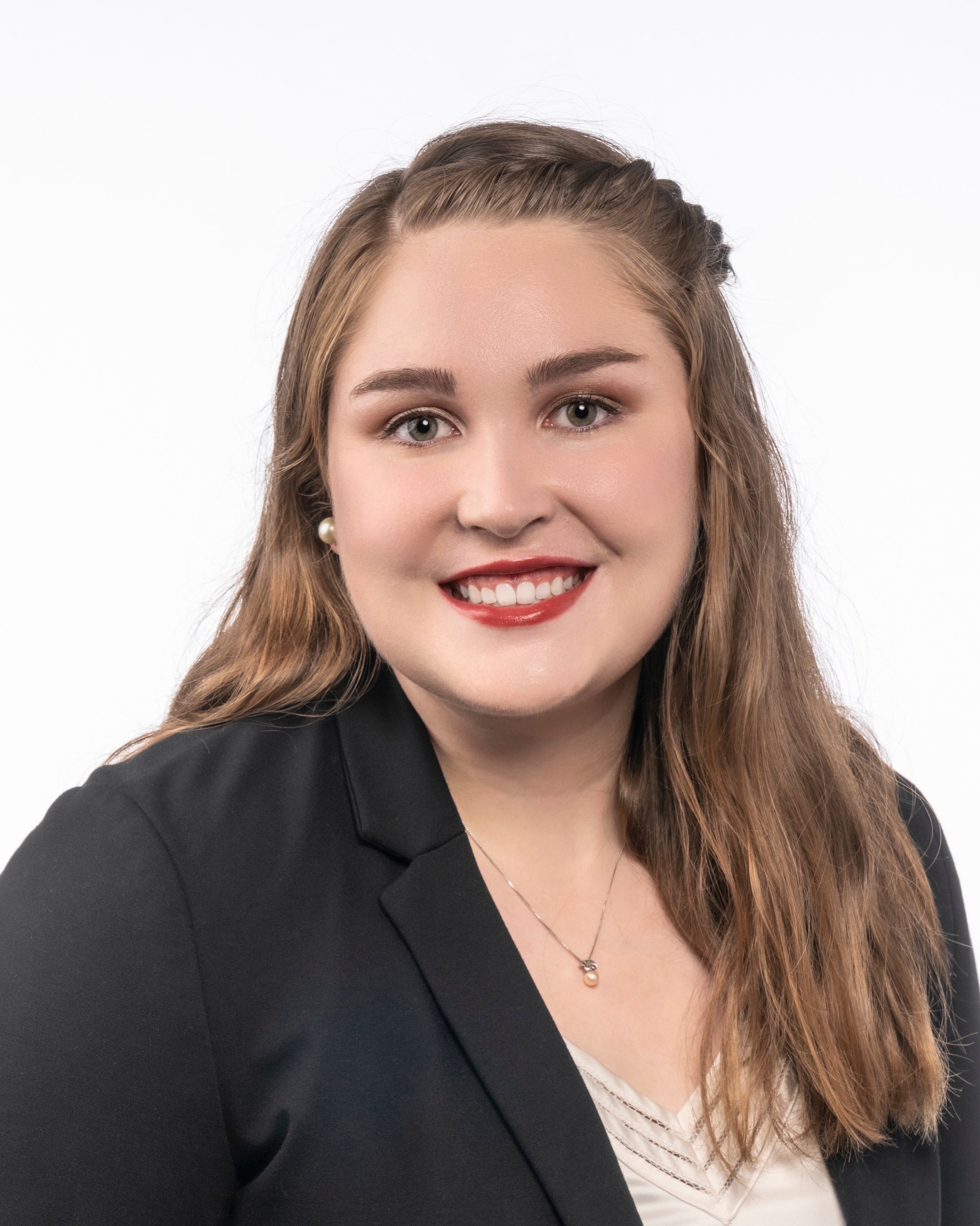

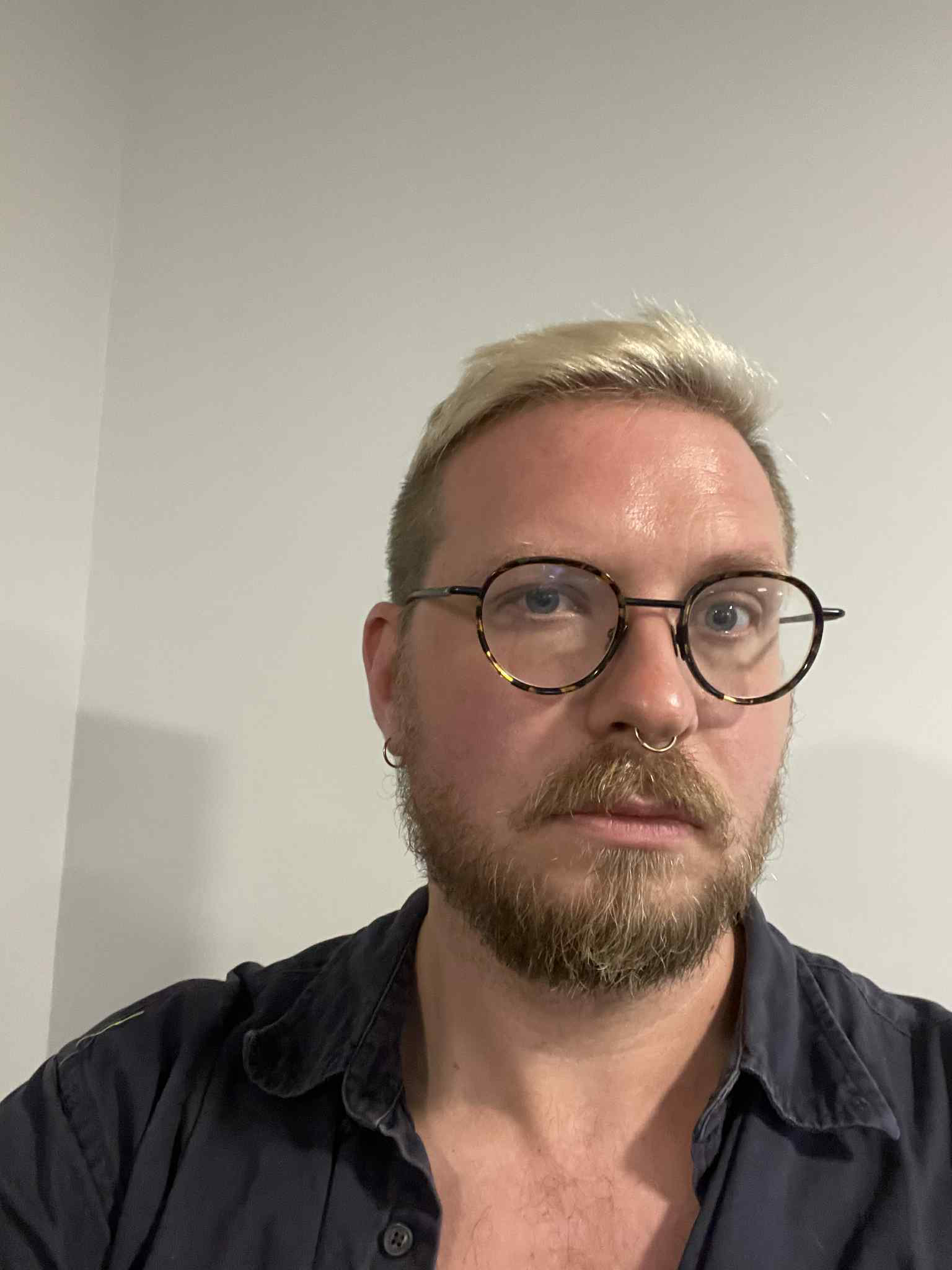
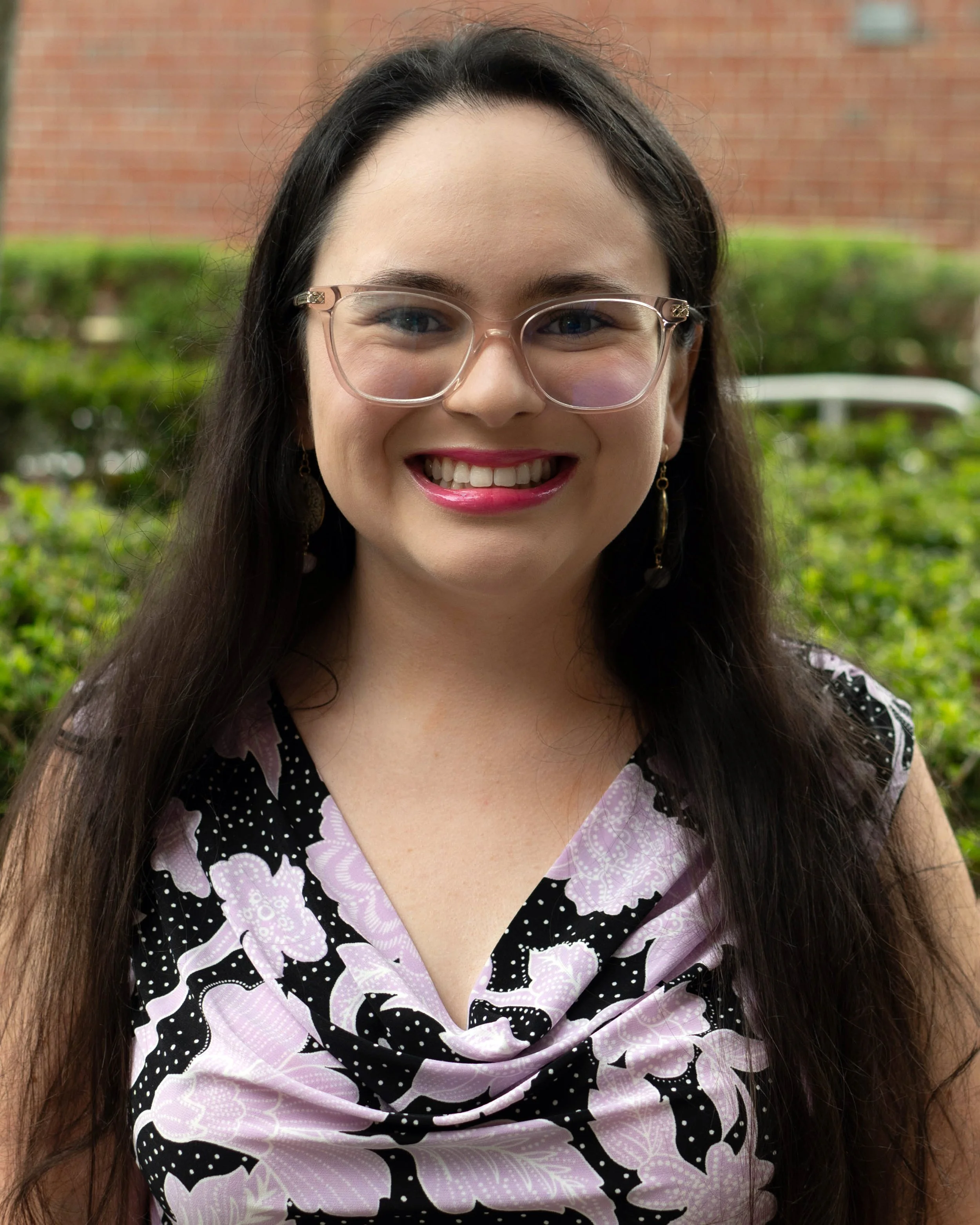
Olivia Gellar (she/her)
Olivia Gellar is a PhD Student in the department of Communication Studies at the University of Texas at Austin. Her research looks at the rhetoric of opposition voices, paying particular attention to knowledge construction and recruitment in far-right spaces online to understand the way particular groups gain and maintain power. Her work has spanned topics such as Anti-Vaccination Conspiracies, the QAnon movement, Shooter manifestos and insurrection live-streams. Her work has been published in Communication journals such as Rhetoric & Public Affairs and Communication and Democracy.
Olivia's work with IRMS tackles questions of whiteness, fear, and extremism in Incel forums that are overwhelmingly non-violent to bring attention to the ways these groups maintain their following.
Tamara Gradenegger
Tamara Gradenegger holds a master's degree in Gender Studies and Political Science and is a PhD candidate in Political Science at the University of Vienna. Her research examines the intersections of antifeminism, conspiracy theories, and right-wing extremism, with a particular focus on Incels and Tradwives. She explores how antifeminism manifests in online spaces, the gender-specific narratives that legitimize these ideologies, and the influence of right-wing extremism and conspiracy theories on these movements. This research builds on her master's thesis, which analyzed antifeminist conspiracy theories within the Incel community on incels.is.
Alisha Grech
Alisha Grech (she/they) is a doctoral candidate in Performance Studies at the University of Toronto whose research traces how systems of policing in the U.S.A criminalises Neurodivergent Women of Colour during mental-health “wellness” checks. Grech has collaborated with the African American Policy Forum and Interval House of Hamilton on gender-violence prevention initiatives and was a Fellow at U of T’s Centre for Digital Humanities Innovation. Their most recent work appears in the 50th issue of Women’s Studies Quarterly and in Reshaping True Crime Stories from the Global Margins (Lexington, 2024). Most recently, Alisha Grech has been named the 2025 recipient of the Burstow Scholarship for Studies in Activism from the Margins.
An Hoàng-Xuân
An Hoàng-Xuân is a second year PhD student in Cultural Anthropology at Vanderbilt University. She owns two master's degrees in American Civilization and Education and is the author of a master's thesis entitled "Stand Back and Stand By: Aggrieved Masculinity and the Rise of White Domestic Terrorism". Her main focus at the moment analyses the process of radicalization of American male supremacists of colour that culminates into adhering to an ideology that promotes white supremacy and is therefore inherently against their own interests. Her future fieldwork goals include conducting participant observation and interviews at known male supremacist conferences.
Diane Humble
Diana Humble is a doctoral candidate in the Department of Communication and Film at the University of Memphis. She is an applied communication scholar with a specialty in media, health, and interpersonal communication. Her dissertation research examines how the manosphere's beliefs surface within romantic relationships.
Rina James (they/them)
Rina James is a doctoral candidate in the School of Sociology at the University of Arizona. Their research interests lie at the intersection of gender, social movements, and digital culture, with a current emphasis on understanding how ideological variation within the manosphere influences both radicalization processes and the outcomes of men's participation in online male supremacist spaces. Their dissertation work maps user trajectories across male supremacist Reddit communities, and aims to identify individual and community-level factors that drive differential participation within these movements.
Jesper Greve Kristensen
Jesper Kristensen is a doctoral student in comparative cultural studies at Iceland University, whose work focuses on far-right online communities. Originally from Denmark, he studied cognitive semiotics at Aarhus University, an education that shapes his approach to investigating online culture and far-right discourses. His MA thesis combined semiotics, gender studies and online cultural studies in an investigation into Men’s Rights Activist (MRA) and Incel communities, focusing on the use of in-group terminology in the creation of identity and the conceptualisation of gender and civil rights. His doctoral project serves as a continuation of that work, focusing on justice-based far-right discourses and the role of grievance, indignation and a sense of unfairness in far-right radicalisation. His work with IRMS will focus on the role of male supremacist online media in far-right radicalisation and the construction of gendered identities young men encounter online. His theoretical approach seeks to deepen the understanding of civil rights discourses and political identities by investigating the underlying conceptualisations of society in online subcultures.
Simone Long
Simone Long is working towards a PhD in Sociology at the University of Exeter - primarily based in the Centre for Computational Social Science (C2S2) - and holds an MRes in Social Research and a BSc in Criminology. Using a combination of computational and qualitative content analysis (in addition to other quantitative methods), their current research focuses on the nature of ideological cross-pollination between the online manosphere and the alt-right, exploring thematic similarities in user-generated discourse on extremist platforms. In addition to hypothesising the implications of these findings regarding the nature of the on and offline self - and the consequences of this regarding supremacist radicalisation - she also strives to provide empirical support for the conceptual treatment of these loosely connected networks of interest groups as biotopes forming self-sustaining and ever-evolving virtual supremacist ecosystems that, while somewhat ideologically distinct, substantially overlap and influence one another as in the natural environment.
Karen McGilvery
Karen McGilvery is a doctoral student in Youth Development and Family Sciences at the University of Florida. She also received her MS in Family, Youth and Community Sciences from the University of Florida. Her research is interdisciplinary, and some areas of interest include violence prevention, youth development, and intimate relationships and sexuality.


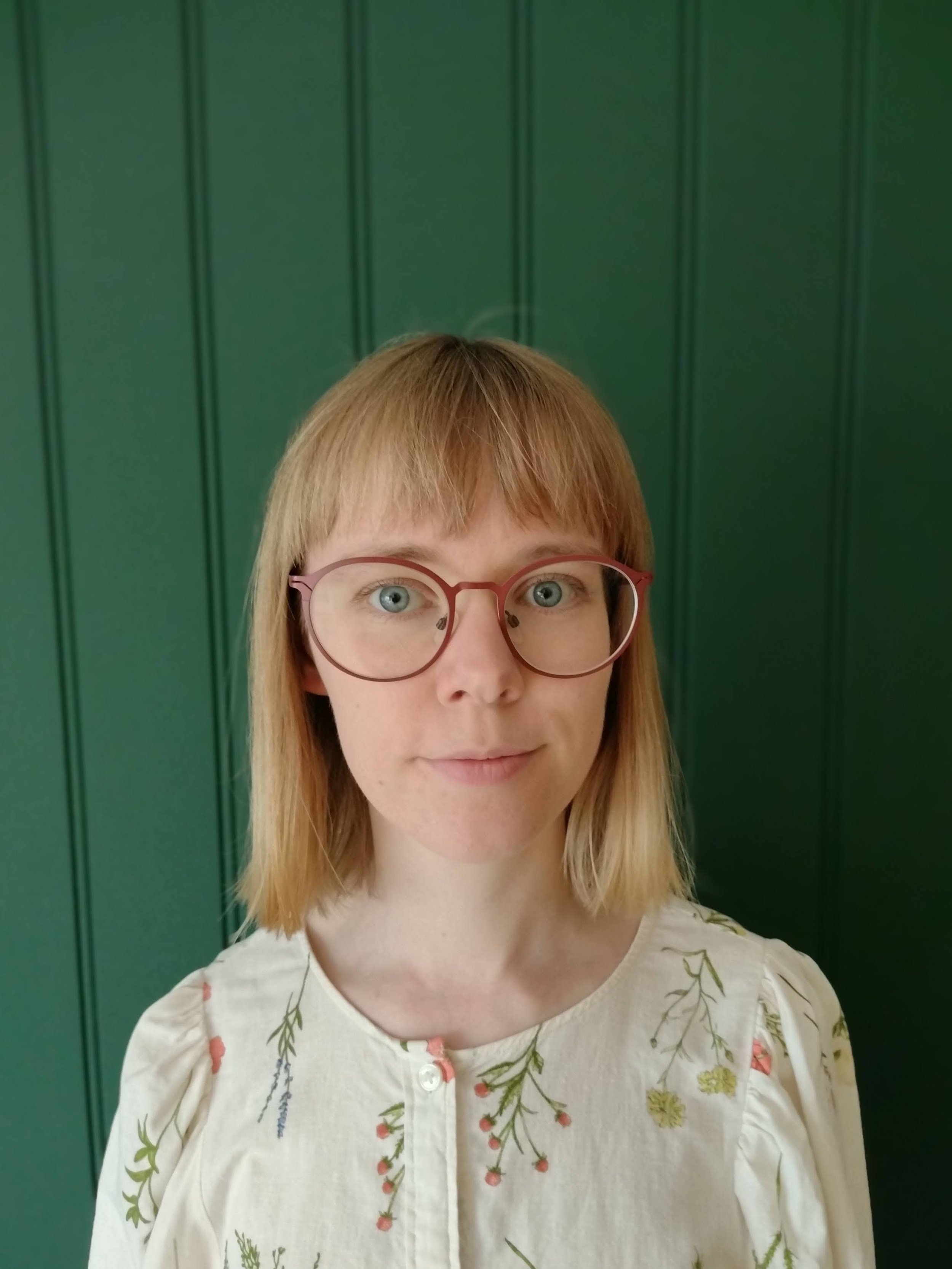
Anna Meyniel
Anna Meyniel is the Regional Program Officer - Europe and Africa at the International Centre for Missing and Exploited Children (ICMEC). She works with local and international partners to make children safer from sexual abuse and exploitation, and from going missing. In her work, she makes sure ICMEC's mission and ideas come to life by conceptualizing programmes, finding the right stakeholders, funding sources and by developing projects across Europe and Africa. She contributes to large efforts by ICMEC to facilitate Victim Identification Taskforces globally. She also takes part in research in parallel to her role, and is particularly interested in online radicalisation, the ethics of cybercrime and masculinist communities. Anna holds two master’s degree in International Security from Sciences Po Paris and Conflict, Security and Development from King's College London, and an undergraduate degree in Politics and Government from Sciences Po Paris.
Robin O’Hanlon (she/her)
Robin is a doctoral student in criminal justice at the City University of New York Graduate Center housed at John Jay College of Criminal Justice. She works as a research assistant and librarian. Her research interests include male supremacist violence, supremacist narrative strategies of scientification, and crimes of power. Her research on misogynistic extremism has appeared in Trauma, Violence, & Abuse. Robin holds a Master of Information Studies from University of Toronto and Master of Arts in Criminal Justice from John Jay, CUNY.
Martta Ojala
Martta Ojala is a PhD Fellow at the Faculty of Social Sciences at Nord University, Norway. In her work, she studies men's rights activists on Reddit and their perceptions of gender relations and feminism. She focuses on the less extreme parts of the manosphere, where anti-feminism and misogyny co-exist with legitimate grievances about men's lives, and is particularly interested in what makes these communities blame feminism for men's supposed oppression. Martta holds an MPhil in Gender Studies from the University of Oslo and an MA in Film and Visual Culture and Politics from the University of Aberdeen.



Heidi Sampson
Heidi Sampson is a communications and community engagement manager for a religious, social justice nonprofit. She occasionally works as an adjunct in the English department at Minnesota State University (MNSU), Mankato. Heidi holds a double Bachelor of Arts in Creative Writing and Gender and Women’s Studies from MNSU. She also has a Master of Fine Arts with a concentration in Poetry and Nonprofit Leadership from MNSU. While at Antioch University, she obtained a Master of Arts and a Ph.D. in Leadership and Change. Heidi's dissertation, “An Internal and External Contextual Autoethnography of a Single Mother’s Experience as it Intersects with Misogyny, Patriarchy, and Hegemonic Masculinity,” is available at AURA. She wants to expand her research into the areas of family court, law enforcement, and social services as they intersect with single mothers, stigma, stereotypes, misogyny, patriarchy, hegemonic masculinity, and male supremacism.
Kate Scott
Kate Scott is a PhD candidate in Social and Political Sciences at the University of Sydney. Her current research focuses on deradicalisation within the manosphere, specifically examining the processes that enable or hinder individuals in disengaging from extreme Red Pill Communities. She is interested in the intersection of violent extremism, radicalisation, and gender within digital spaces. Prior to their doctoral studies, Kate completed their honours at the University of Sydney, focusing on online hate speech, U.S. security, and reproductive rights.
Elias Seeland
Elias Seeland is currently pursuing a master's degree in Sociocultural Studies at Europa-Universität Viadrina, Frankfurt (Oder). Elias’ research interests include feminist epistemologies, anthropologies of gender, power and violence, and hybrid and marginalized masculinities; trans and queer masculinities in particular. In his current research, he looks at discourses and negotiations around aggrieved entitlement among trans male YouTubers. His master’s thesis examines the persistence of power and the accumulation of social capital among pro-feminist men and the neoliberal structuring of self-optimization practices. Elias’ interests in gender based and sexual violence have been shaped by his involvement in accountability processes within movement structures, as well as campus sexual assault prevention work. In his free time, he sails tall ships.
AJ Siegel
AJ is a master's student in rhetoric & scientific and technical communication at the University of Minnesota. Their work centers on digital rhetorics surrounding male supremacism, white supremacism, and hegemonic and hybrid masculinities. Specifically, AJ is interested in exploring how queerness is expressed and appropriated within male supremacist movements. Their additional research examines community-based manosphere exiting efforts and visual and memetic signifiers that perpetuate the presence of white and male supremacism online.

Brigitte Temel (she/none)
Brigitte Temel holds a bachelor’s degree in Psychology, Sociology and a master’s degree in Gender Studies. Since 2020, she has been working as a researcher at Institute of Conflict Research (IKF) in Vienna. Main research topics are violence against women, antifeminism and Gender & Queer Studies. In 2024, Brigitte finished a study on Incels in Austria.

Liz Utterback
Liz Utterback is a researcher and doctoral candidate in social work. Her research interests center around the intersection of violence and extremism, with emphasis on the use of online language to incite and facilitate violence on social networking platforms. She has been a part of interdisciplinary research teams publishing on various topics, and she has published as a solo author. Additionally, Liz has more than a decade of direct experience within the criminal justice and social services fields providing both direct client services and program administration for diverse populations.
Reed Van Schenck (Any pronouns)
Reed Van Schenck is Teaching Fellow and Ph.D Candidate at the University of Pittsburgh. Their research applies rhetorical criticism to understand reactionary networks on and of the Internet.

Anna Wainwright (they/she/Anna)
Anna Wainwright is pursuing a PhD in Sociology at the University of California, Irvine. Additionally, they have worked within the Gender and Sexuality Studies department and plan to receive a Graduate Feminist Emphasis. Their research interests include intimate relationships, gender, culture/agency, and interdisciplinary methods. Specifically, their thesis grapples with remnants of monogamous culture within practices of non-monogamy. Their dissertation work will continue to engage with the tension between transgressing and reproducing norms within various relationship practices.

Mya Ward (she/her)
Mya Ward is a second-year Anthropology student at Chaffey College. As an Anthropology major, she is focusing her studies on the ancient civilizations of the Mediterranean. As an IRMS Mentee, she is interested in studying the algorithmic and rhetorical forces behind the diffusion of male supremacist ideologies into the minds of young men and boys. Her work focuses especially on niche male supremacist communities online.